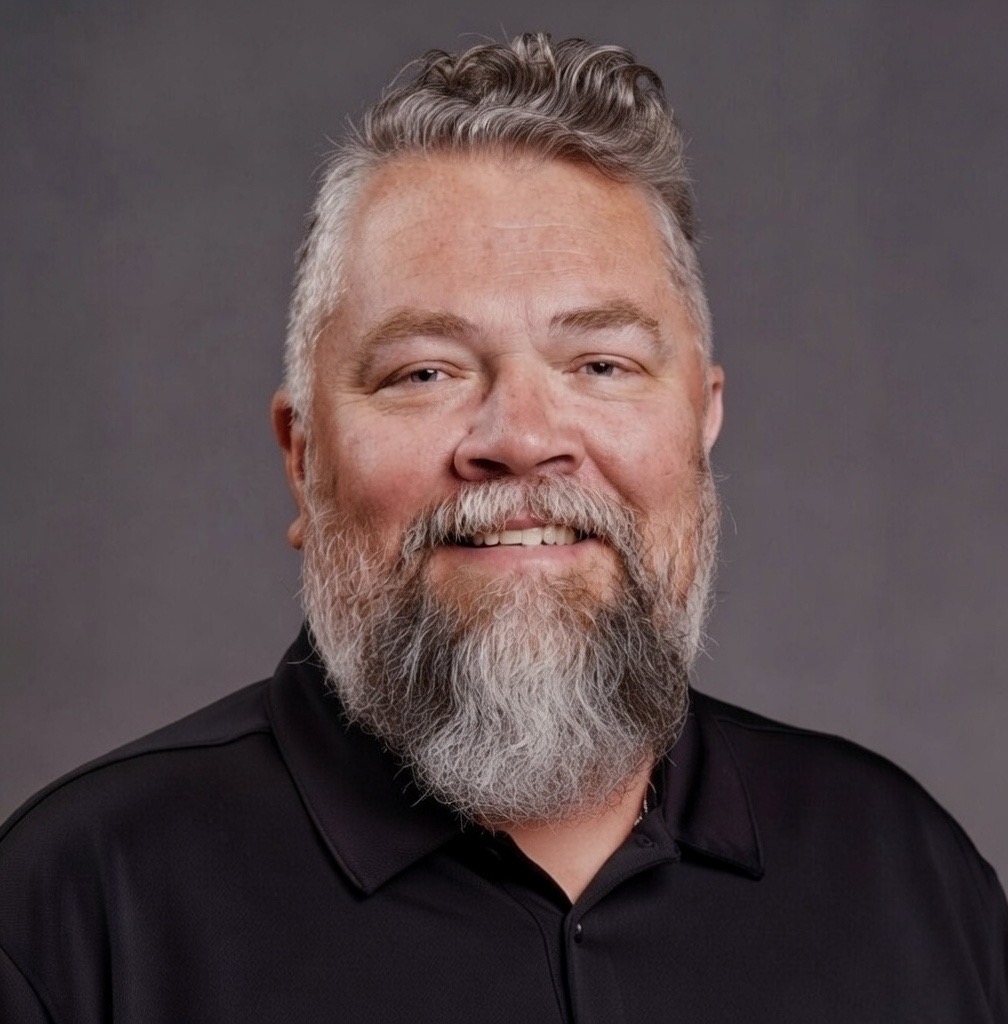
Sacramento's government contractors, healthcare networks, and agricultural enterprises operate under some of the most demanding compliance environments in the nation. I provide the executive IT governance that keeps your operations audit-ready and your liability exposure manageable.
Book a Risk BriefingIT governance and compliance readiness for state agencies, municipalities, and government contractors.
HIPAA compliance and clinical data governance for Sacramento's regional health systems.
Securing Ag-Tech IP and supply chain data across the Central Valley's agricultural operations.
Audit-ready compliance and defensible governance for high-liability professional firms.
Financial-grade IT oversight for regional banking, credit unions, and investment management.
Strategic IT for commercial property and residential development in the Sacramento region.
Executive IT oversight for Sacramento's emerging technology and innovation sector.
Risk governance and audit readiness for educational institutions and regional nonprofits.
Strategic risk governance for regional utility operations and critical infrastructure.

Behind every engagement is a truly global delivery organization: headquartered in Houston, with locations across the United States, Europe, and the Middle East. Your strategy is executed by enterprise-grade infrastructure that most mid-market firms could never build or afford on their own.
My role is to sit on your side of the table as a strategic advisor. I conduct a high-level assessment of your risk exposure and vendor landscape, define the strategy, and then direct that global network to execute Managed IT, Cybersecurity, and Compliance on your behalf.
Boardroom-level strategy. Fortune 500-grade execution. No empire to build on your org chart.
If your company holds or is pursuing a DoD contract, CMMC 2.0 certification is a contractual requirement — not optional. I guide defense contractors through the full process: gap assessment, CUI scoping, System Security Plan (SSP) documentation, and C3PAO assessment prep. My MS in Finance means the compliance roadmap is something your CFO can budget and your board can stand behind.
Gap assessments against all 110 NIST SP 800-171 practices. I identify what you are missing and build a prioritized remediation plan your assessor can verify.
Correct scoping of your Controlled Unclassified Information environment prevents overspending on controls for systems that do not need them.
Losing certification means losing the contract. I translate your compliance posture into financial language your leadership can underwrite and defend to auditors.
Your internal IT function handles what it was built to handle. What most organizations are missing is the layer above it: a senior executive who owns the financial risk model, holds vendors accountable to contractual SLAs, and translates board-level cyber liability into an operational plan. A Fractional CIO does not replace your existing team. It gives that team a strategist at the top, coordinating a globally capable delivery network that most mid-market firms could never staff on their own.
Start with your invoices. Most mid-market organizations are leaking between 15 and 20 percent of their annual IT budget through auto-renewed contracts, underutilized licenses, and vendors billing against SLAs that were never enforced. A high-level strategic assessment identifies the largest exposure areas. From there, specialized partners do the deep forensic work. The result is a clear financial model your CFO can present to the board, shifting IT from an unpredictable cost center to a flat, governed operational line item.
Boards respond to quantified risk, not technology briefings. The framing I use is the Cost of Inaction: a single ransomware event averages $1.4 million in direct costs for a mid-market firm, and that figure excludes reputational damage, lost contracts, and regulatory fines. Add the recoverable budget from vendor waste and the liability reduction from audit-ready compliance, and the financial case builds itself. The question stops being what does this cost and starts being what are we currently exposed to.
In an active incident, my role is strategic guidance and executive translation, delivered remotely. A 24/7 enterprise Security Operations Center manages the technical containment. I work directly with your leadership team to frame the financial and legal exposure, coordinate your cyber insurer, and ensure your communications to regulators and stakeholders are defensible. If the situation requires a vCIO physically on-site, that can be arranged through our network. What you get is a senior strategist keeping your leadership team calm and legally protected while the technical response runs in parallel.